It’s so good to see you again here! Welcome to Flax Facts, our monthly blog series where we go over recent updates and community news.
New Split-Screen Sample
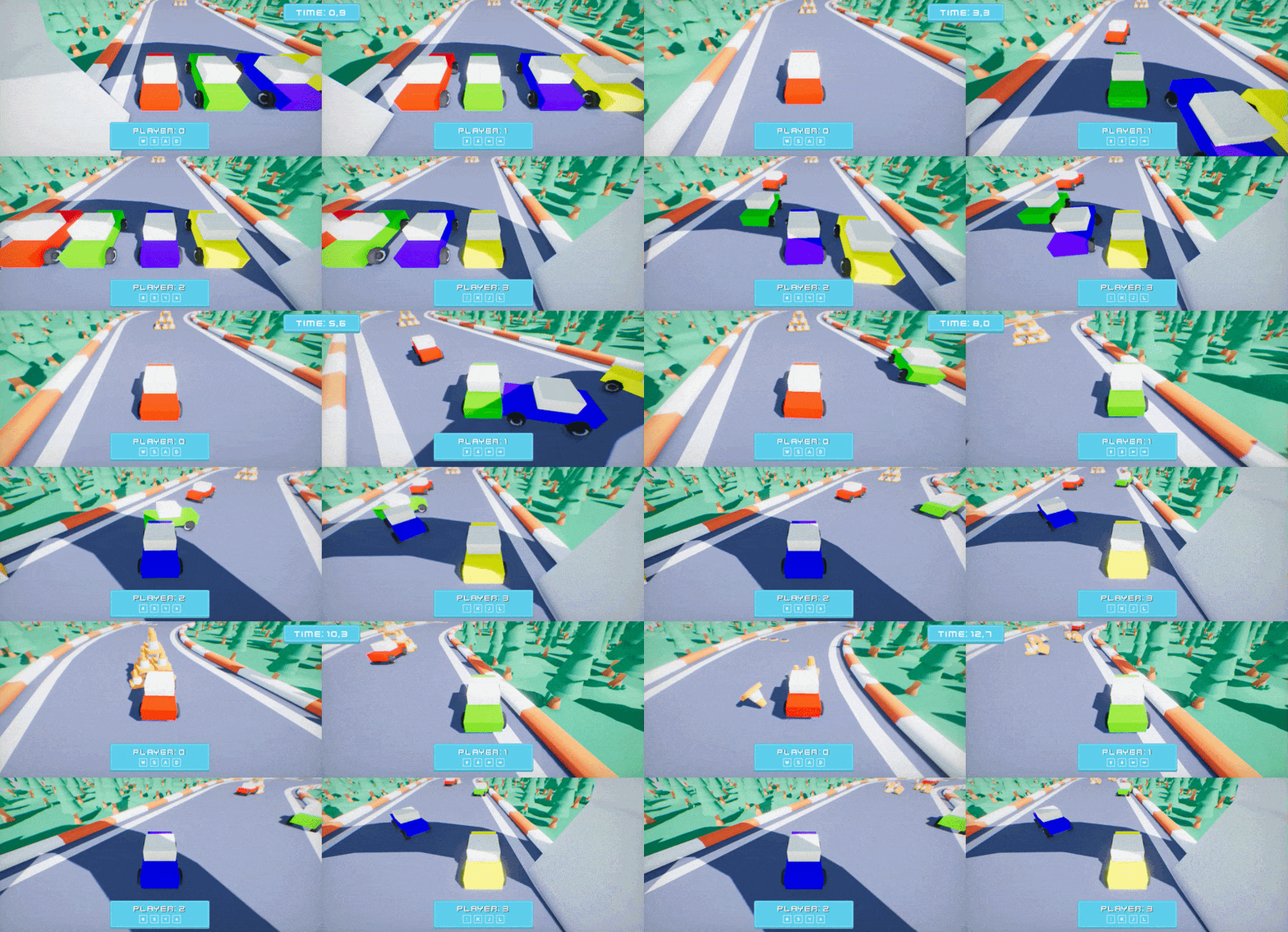
We’ve created a new sample project that showcases split-screen rendering with multiple HUDs. It’s a simple local co-op racing game project available here. It’s based on Arizona Framework which got proper support for multiple local players out of the box.
Temporal Anti-Aliasing Upsampling
Nowadays, upscaling rendered image has become an integral part of most of the released games. While it leads to overblurry visuals with a lack of pixel-perfect sharpness, it has become a necessity in order to target higher frame rates, especially on 4K displays. Flax already offers ready-to-use FSR and DLSS plugins but we’ve added in-built support for upscaling game image during Temporal AA, which is commonly known as Temporal Anti-Aliasing Upsampling (TAAU). This method performs image upscaling while doing temporal history blending that yields acceptable results for small upscaling (eg. 80% render res).
Additionally, we’ve fixed global material textures mip level offset which ensures textures stay sharper when rendering image in lower resolution.
New Game Made With Flax
Homeostasis is an atmospheric horror game where the player has to head out across the ice, visit a series of decommissioned research sites, and recover old survey data on the region’s habitability. Available on Steam and Itch.io.
New Wireframe Debug View


Old and unusable wireframe view mode got a refresh, and now it looks good. Wireframe lines are drawn on top of the lit viewport with a depth-based color gradient and alpha-blending occluded meshes to improve readability. This view comes in handy when profiling or inspecting level and content.
Online Platform Sample
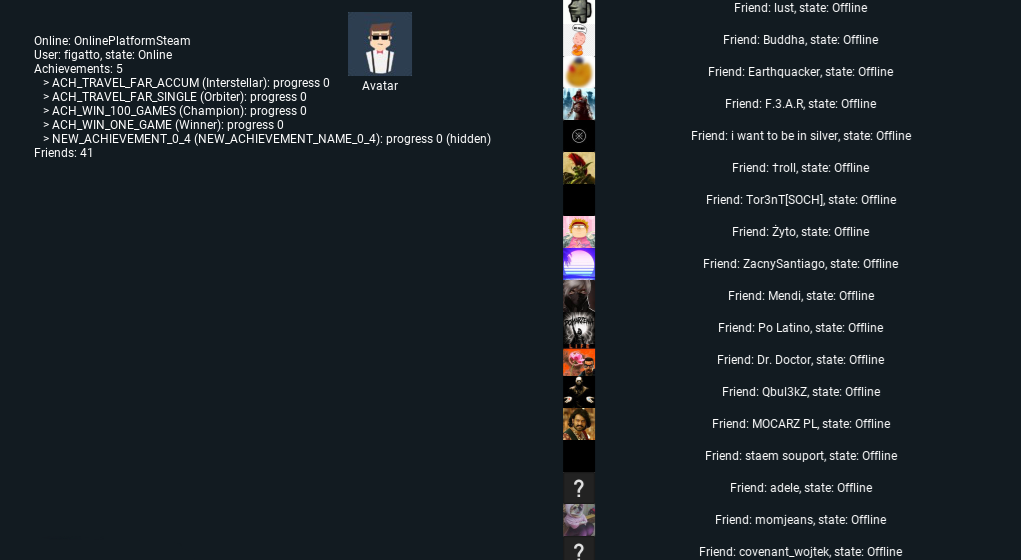
We’ve released a new simple showcase project for Online Platform usage. It’s an example of how to access online player profile information, including avatar, achievements, friends list, and more. It’s available here. The project uses Steam and Xbox Live plugins (PS4/PS5/Switch functionality only for for registered developers).
Additionally, for the upcoming Flax 1.13 update, we’ve added new functionalities to IOnlinePlatform interface including: user avatars, overlay UI, and rich-presence access.
Flax 2.0 Planning Starts Now
Flax has been proven as a production-ready engine with released titles and an actively growing community. Now, it’s time to start planning our next steps. In August, we had an open discussion on our Discord server about the future and expectations of Flax 2.0 (link to thread). Then we put major topics and ideas into the roadmap card (subject to change).
The current plan is as follows:
- Start discussions and designing now
- Release Flax 1.13 soon (September/October 2026)
- Release Flax 1.14 in Q1 2027 with:
- New Editor Style
- Focus on non-rendering areas (esp. UI, Input and Scripting)
- Branch off for Flax 2.0
- Release Flax 1.15 in Q3 2027
- Mostly bugfixing
- Release Flax 2.0 late 2027
This provides about a year of ongoing updates of Flax 1 for those who want to start using it or are in active production. Our aim is to provide full backwards compatibility when upgrading projects to Flax 2. We invite everyone to come and join Flax Discord to be part of this discussion on #flax-2 channel.
Flax Editor Re-Style Idea

One of the teams using Flax for their game project forked Flax and did a major Editor refactor with heavy reskinning. Flax community received this change with great appreciation, which led us to the idea of using this and bringing a new Flax Editor, not in Flax 2.0, but already for Flax 1.14.
We plan to start exploring this area right after releasing the upcoming Flax 1.13 update (soon).
Occlusion Culling
| Frustum culling only | With occlusion culling |
|---|---|
 |  |
The last major rendering feature we’ve been preparing for Flax 1.13 is an occlusion culling system. Now, the game can decide if and how to cull occluded objects to reduce the number of draw calls and improve performance – especially for interior-based games. In the videos above, you can see a before/after comparison of culling based on Hardware Occlusion Queries. It allows skipping objects occluded by others. A side effect is that it can cause some object popping artifacts, especially under heavy motion. The next step will be HZB-based culling, which yields more conservative results. Final implementation (in future) should use GPU-only culling with indirect drawing to skip the CPU-readback latency issue (via Two-Pass Culling).
Also, the new interface allows plugging in custom culling implementations (eg., software rasterization or even pre-baked offline). It works on static/animated models, particle effects, texts, terrain, foliage, and even dynamic shadows.
That’s all for now; we’re going back to work. See you soon! 🎃✍🏻💯



3 Comments
SalGC · August 31, 2026 at 3:39 PM
Man, I really enjoy your engine. Such great work you have been putting out with so much constancy. Thanks for your work and transparency. I hope the new versions turn out fantastic!
Flarium · August 31, 2026 at 6:21 PM
Flax Gurom!
aaqiang · September 9, 2026 at 10:22 AM
If you have time please check this:
https://forum.flaxengine.com/t/several-issues-encountered-while-using-flaxengine/2684, some problems need fix.